Updated 19 June 2026
I don’t believe in ‘waiting and hoping.’ While the old-school 6-week cycle is a classic, modern biology has given us a shortcut. After 15 years of cycling everything from nano betta tanks to my 50-gallon community, I’ve learned that the ‘bottled bacteria’ shelf is a minefield of expired products and marketing fluff. In this guide, I’ll show you the logical way to cycle your tank in days, not weeks, using the only three products I actually trust in my own fish room.
Aquarium Starter Bacteria Fast Facts:
- The #1 Rule: Always dechlorinate your tap water at least 15 minutes before adding your bacteria. Even a trace of chlorine will instantly kill your new bottle.
- Best for Instant Fish-In Cycles: FritzZyme TurboStart 700 (Highly concentrated, refrigerated live culture that works in 24–72 hours).
- Best Value & Longest Shelf Life: Seachem Stability (Spore-based blend that requires no refrigeration and acts as a perfect cabinet safety net).
- Best for Fishless Cycles: Dr. Tim’s One & Only (Pure live strains designed to be paired directly with ammonium chloride drops).
- The Olfactory Test: High-quality live bacteria should have a mild, earthy smell. If a live bottle smells like rotten eggs (sulfur), the culture has crashed and died.
Disclosure: AquaLogicHQ.com is a participant in the Amazon Services LLC Associates Program, as well as other affiliate programs, designed to provide a means for us to earn fees by linking to Amazon.com and affiliated sites at no extra cost to you. Please see the Affiliate Disclosure for more details.
At a Glance: The Top Picks
| Goal / Cycling Time | My Recommendation | Best For / Bacteria Info |
|---|---|---|
| Fastest Results Cycle Time: 24–72 Hours | FritzZyme TurboStart 700 | Almost Instant Fish-In Starts Live Nitrifying Bacteria Needs Refrigeration |
| Best Value Cycle Time: 7-14 Days | Seachem Stability | The New Tank “Safety Net” Spore-Based Bacteria No Refrigeration Needed |
| Most Reliable Cycle Time: 5–7 Days | Dr. Tim’s One & Only | Fishless Cycling (Pure Ammonia) Live Nitrifying Bacteria Need Cool & Dark Storage |
The Science Of Starter Bacteria: Why Most People Fail
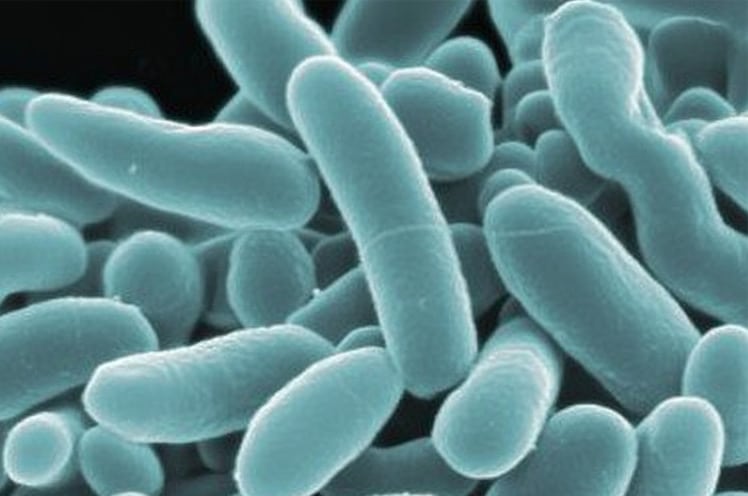
Most beginners think “bacteria is bacteria.” It’s not. Many cheap brands contain “heterotrophic” bacteria (sludge eaters). While they clear cloudy water, they don’t actually process Ammonia.
You need Autotrophic nitrifying bacteria (Nitrosomonas and Nitrospira). These are living organisms. If the bottle sat in a hot warehouse for six months, you aren’t buying a “cycle in a bottle”—you’re buying expensive, smelly water.
My Hands-On Starter Bacteria Reviews
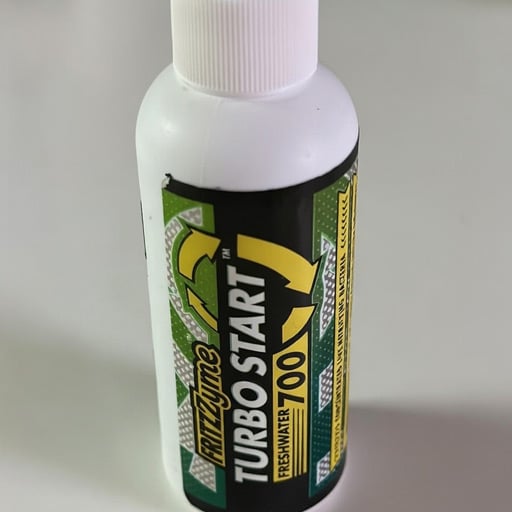
1. FritzZyme TurboStart 700 (Freshwater)
If you want to add fish today, this is the only product I recommend.
- How I Use It: Before I use it, I shake the bottle for about 30 seconds. I dose the entire amount required for the tank volume directly into the filter intake. I can then add my fish within 2 or 3 hours. I’ve found that if you wait too long to add fish, the bacteria can “starve” and the cycle will stall.
- Pros: Highest concentration of live bacteria; proven to work in hours, not weeks.
- Cons: Must be refrigerated; pricey
- Cost: About $20
- 4.5 Stars (360 Amazon Reviews)
2. Dr. Tim’s One & Only
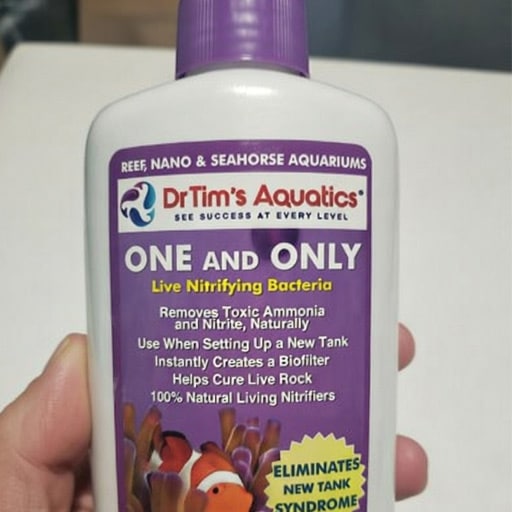
Created by the guy who literally discovered many of the nitrifying bacteria we use in the hobby today.
- How I Use It: This is my go-to for fishless cycling. I dose the tank, then immediately add Dr. Tim’s Ammonium Chloride drops to hit exactly 2 ppm. I don’t touch the tank for 48 hours. By day 3, I usually see my first Nitrite reading on my liquid master test kit.
- Pros: No fillers; very long track record of success.
- Cons: Also performs best when kept cool; can be hard to find in local shops; very pricey
- Cost: About $40
- 4.5 Stars (379 Amazon Reviews)
Saltwater Reef Tank Note: If you are cycling a saltwater aquarium or a marine reef layout, look for FritzZyme TurboStart 900 or the saltwater version of Dr. Tim’s One & Only. The freshwater strains will die instantly in high salinity water, causing a massive organic crash instead of a cycle.
3. Seachem Stability
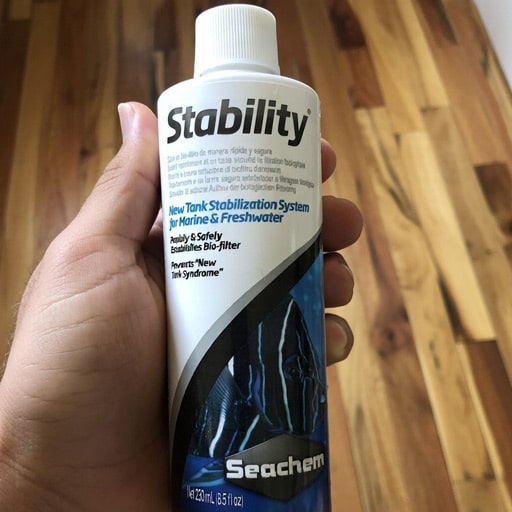
The “workhorse” of the aquarium world.
- How I Use It: I don’t use this for “instant” fish-in starts. Instead, I use it for a “staged” start. I add the first dose, wait 24 hours, and then I dose every morning for the next 7 days. I always keep a bottle in the cabinet for emergencies—if I ever see a mini-ammonia spike after a heavy cleaning, a double dose of Stability usually fixes it within 24 hours.
- Pros: Shelf-stable (no fridge needed); very affordable.
- Cons: Requires daily dosing for 7 days; not as “instant” as Fritz.
- Cost: About $10
- 4.8 Stars (6,027 Amazon Reviews)
Quick Tip:
Be careful with phosphate removers during a cycle. Bacteria need trace amounts of phosphates to build their own DNA and multiply. If you strip the water too clean too early, your cycle will stall. This is the logic most beginners miss. For a little bit more info, see my complete guide to fish tank cycling products.
FritzZyme TurboStart 700 vs. Seachem Stability: Which is Better?
This is the classic debate on every fishkeeping forum. The logic comes down to whether you want an immediate live culture or a shelf-stable backup.
Seachem Stability: This is a spore-based heterotrophic/autotrophic blend. The bacteria are in a “dormant” state inside the bottle, meaning it is incredibly shelf-stable and can sit in your cabinet for years without dying. The catch? It takes longer to wake up and requires daily dosing for a week. Choose Stability as a safety net or for slower, staged cycles.
FritzZyme TurboStart 700): This is a bottle of live, active autotrophic bacteria. They are awake and ready to process ammonia the second they hit your tank filter. The catch? They have a shorter shelf-life and must be handled carefully. Choose Fritz if you are adding fish immediately.
Donny’s Quick Case Study: Cycling the 50-Gallon Community Tank
When I set up my current 50-gallon community tank, I didn’t want to wait a month for the nitrogen cycle to complete. I wanted to move my fish in safely and quickly.
Here is exactly what I did:
- The Setup: I filled the tank, dechlorinated the water, and let the filters run for 24 hours to stabilize the temperature at 78°F.
- The Dose: I used a 16oz bottle of FritzZyme TurboStart 700. I didn’t just pour it in; I poured half into the tank and half directly into my canister filter’s intake.
- The Ammonia Test: I added fish (a small school of Harlequin Rasboras) about 4 hours later.
- The Results: I monitored the water daily with my liquid test kit. I saw a tiny Ammonia spike (0.25ppm) on Day 2, but by Day 4, Ammonia was 0, Nitrites were 0, and Nitrates were 5ppm.
The Logic: By using a ‘live’ refrigerated product and adding the fish immediately, I ensured the bacteria had a constant food source from the start. That 50-gallon has been rock-solid ever since.
The AquaLogicHQ “Live-Culture” Test Protocol
I don’t just pour a bottle in and wait. To separate the “science” from the “marketing fluff,” I put every bacteria starter through a 3-point diagnostic in my fish room:
- The Metabolic “Jumpstart” Timer: I measure the exact time between the initial dose and the first detectable drop in Ammonia ($NH_3$) alongside a rise in Nitrites ($NO_2$). For a “Top Pick,” I expect to see metabolic activity within 24 hours.
- The Biofilm Clarity Check: Some cheap bacterial starters use fillers that create a thick, unsightly biofilm or a 4-day white cloud. I rank products higher if they settle into the filter media immediately without choking the water column.
- The Olfactory “Dead or Alive” Test: (Donny’s Pro-Tip) Nitrifying bacteria have a very specific shelf life. When you open the bottle, it should smell earthy, like rain on dry soil. If it smells like rotten eggs (sulfur) or strong chemicals, the culture has crashed. Never add a sulfur-smelling bottle to your tank; it’s just bottled waste.
The Perfect Cycle Recipe (Step-by-Step)
Step 1: The Dechlorination Double-Check
Chlorine kills bacteria instantly. Before adding your bacteria, ensure you use a water conditioner that neutralizes both chlorine and chloramine.
Step 2: Crank the Heat
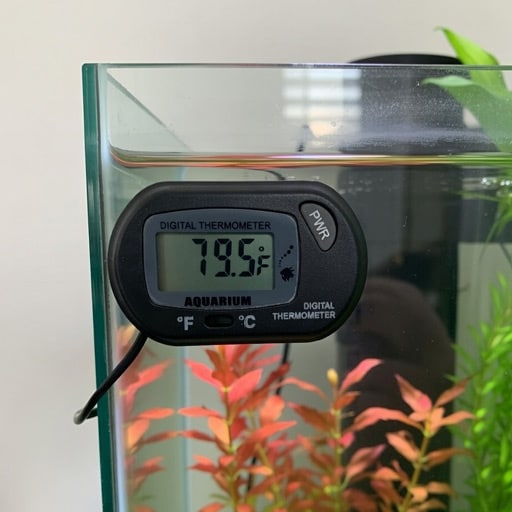
Nitrifying bacteria thrive in warmth. Set your heater to 80°F (27°C) during the cycle. Research on biofilter nitrification confirms warmer water measurably speeds up ammonia processing — it’s pure biology, not a hobbyist myth.
Step 3: Add the “Food”
Bacteria need to eat. If you are doing a fishless cycle, add pure Ammonia until your test kit reads 2 ppm. If you are doing a “Fish-In” cycle, add only 1–2 hardy fish. If you see ammonia levels rising above 0.5ppm during a fish-in cycle, follow my Logic for Lowering Ammonia guide ASAP.
Step 4: Maximize Oxygen
Bacteria need oxygen to survive and multiply. Ensure your fish tank filter is breaking the surface of the water to provide maximum gas exchange. For those of you who may have a filter that is not working so well, check out my post on when to change your fish tank filter.
Aquarium Starter Bacteria FAQs
Can you overdose fish tank starter bacteria in my tank?
No. You cannot overdose on beneficial bacteria in your tank. Adding more than the recommended amount won’t hurt your fish; it simply provides a larger colony to handle the ammonia load.
Do I need to add bacteria after every water change?
Generally, no. Once your tank is established, most bacteria live in the substrate and filter media. However, a small dose after a major cleaning can help prevent mini-cycles.
Why is my water cloudy after adding bacteria?
This is a bacterial bloom. It’s a sign the bacteria are multiplying. It usually clears in 24-48 hours. Just ensure your air pump is running, as blooms consume oxygen.
Should I turn my lights off while using starter bacteria?
Yes. Nitrifying bacteria are photosensitive when they are free-floating. Keep the lights off for the first 48 hours to help them settle.
How do I know if my bottled bacteria is dead?
High-quality live nitrifying bacteria should have a mild, earthy odor similar to rain on dry soil. If you open a live culture bottle and it smells completely odorless like plain tap water, or if it has a rancid, sour chemical smell, the colony has likely crashed. (Note: Some sludge-eating cleaning products smell like sulfur, but pure live autotrophic cycling starters should never smell like rotten eggs.)
Does starter bacteria work for emergencies?
Yes. If you accidentally cleaned your filter in tap water and crashed your cycle, a double dose of FritzZyme 700 can often stabilize the tank within 24 hours.
Can I use freshwater bacteria in a saltwater tank?
No. You must use saltwater-specific versions like FritzZyme 900. The salt levels will kill freshwater species almost instantly.
Can I use starter bacteria in a tank with aquarium salt?
Yes, most can handle low medicinal doses of salt. If you are treating for Ich, the bacteria will generally be fine.
How long does a bottle of bacteria last?
Live products like FritzZyme last about 6 months refrigerated. Shelf-stable products like Stability can last 2–3 years if kept in a cool, dark place.
Do I still need to do water changes?
Not during the first week of cycling unless your ammonia levels exceed 4 ppm (fishless) or 0.5 ppm (fish-in).
My 3 Golden Rules for Using Starter Bacteria
- Rule 1: Kill the Chlorine First. Even a trace amount of chlorine will wipe out a new $25 bottle of bacteria instantly. Always dechlorinate your water at least 15 minutes before adding the bacterial culture to ensure the environment is safe.
- Rule 2: Feed the “Engine.” Beneficial bacteria are living organisms, not chemicals. If you add them to a tank with zero ammonia, they will starve and die within 48 hours. Always have your fish ready or your ammonia drops at hand the moment you dose the tank.
- Rule 3: Turn Off the UV & Ozone. If you run a UV sterilizer or an ozone generator, turn them off for the first 7 days. These systems are designed to kill microorganisms, and they can’t tell the difference between “bad” algae and the “good” bacteria you just paid for.
Final Thoughts On The Best Aquarium Starter Bacteria
Choosing the right starter bacteria isn’t about looking for the cheapest bottle on the shelf; it’s about understanding that you are buying a living biological engine. In 15 years of keeping fish, I’ve seen countless hobbyists quit because they were sold “dead water” that led to a crashed tank and lost livestock. That’s not just frustrating—it’s a failure of logic.
Whether you choose the “instant” power of FritzZyme 700 or the reliable stability of Seachem, the key is to respect the biology. Treat your bacteria like the living organisms they are: keep them cool, give them oxygen, and never skip the dechlorination step. A successful cycle is the foundation of everything we do at AquaLogicHQ. If you get the start right, the rest of your fishkeeping journey becomes a science, not a gamble. Get your cycle locked in, and your fish will thank you for years to come.

I founded AquaLogicHQ to share hands-on, tested strategies that come from 3-month algae battles and countless hours perfecting the nitrogen cycle. My mission is simple: I've made most of the mistakes on my four active tanks and am sharing the answers so you can avoid disaster in yours. When I’m not elbows-deep in a water change, I’m putting the latest hobby gear through its paces to see if it actually delivers.
- Best Canister Filters For Fish Tanks: What I’d Actually Buy for a Big Tank - July 26, 2026
- The Best Nano Aquarium Tanks I’ve Actually Run in My Fish Room - July 19, 2026
- The Best Fish Tank Heaters: Ranked and Sized for Your Setup - July 4, 2026